
The Difference Between a Funeral and a Celebration of Life
Losing a loved one changes everything. In the days immediately following a loss, you face a mountain of decisions. One of the very first choices involves how to honor the person you lost. You want to pay tribute to their memory in a way that feels right for them and for your family.
The terms “funeral” and “celebration of life” often appear in the same conversations, but they represent two distinct approaches to saying goodbye. While both events serve the vital purpose of gathering a community to acknowledge a death, they differ in tone, structure, timing, and focus. Understanding these differences helps you plan a service that authentically reflects the unique personality of your loved one.
The Main Focus of the Event
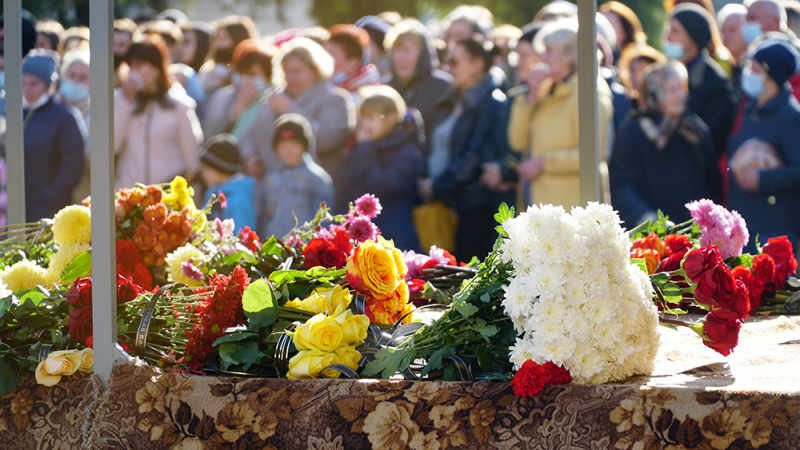
The primary difference lies in where you place the emotional emphasis. A traditional funeral centers on the reality of death and the grieving process. It provides a structured space for mourners to express sorrow and say a final goodbye. The atmosphere supports mourning and acknowledges the heavy weight of loss.
A celebration of life shifts the focus toward the joy of the life lived. While attendees still grieve, the event emphasizes positive memories, achievements, and the personality of the deceased. You concentrate on how they lived rather than the fact that they died. Families who choose this option often want to create an uplifting experience that feels more like a gathering of friends than a formal ceremony.
The Timing and Scheduling Needs
Time constraints play a major role in your decision. Because a traditional funeral usually involves the presence of the body, you must schedule it quickly. Families typically hold funerals within a few days to a week after death occurs. This immediate timeline creates urgency, requiring you to make complex logistical decisions while in the early stages of shock and grief.
Celebrations of life offer significantly more flexibility regarding the calendar. Since these events usually take place after burial or cremation, you can schedule them weeks or even months later. This extra time allows family members who live far away to make travel arrangements. It also gives you breathing room to plan personal details without the pressure of a ticking clock.
The Setting and Physical Location
Location sets the mood for the entire gathering. Families traditionally hold funerals in funeral homes, religious centers, or chapels. These spaces facilitate solemnity and reverence. They come equipped with the necessary seating and audio equipment for a formal service.
A celebration of life opens the door to endless venue possibilities. You can host one in a community center, a favorite park, a banquet hall, or even a family member’s backyard. Some families choose a location that held special meaning to the deceased, such as a favorite restaurant, a golf course clubhouse, or a beach. The venue itself becomes part of the tribute, adding a layer of personal significance to the event.
The Role of Religious and Spiritual Customs
Your family’s religious background often dictates this choice. Funerals generally follow a prescribed order of service rooted in religious tradition. A clergy member usually leads the event, and the content includes specific scriptures, prayers, and hymns. If your loved one found comfort in the rituals of their faith, a traditional funeral honors those beliefs directly.
Celebrations of life do not need to follow religious protocols, though you can certainly include them if you wish. These events are often secular or “spiritual but not religious.” You have the freedom to design the ceremony from scratch. You might include poetry, secular music, or personal speeches instead of religious texts. This format works well for families who want to honor a loved one who did not practice a specific faith.
The Etiquette for Clothing and Attire
The expected dress code changes depending on the event type. For a funeral, society generally expects attendees to wear formal, conservative clothing. Black or dark colors remain the standard to show respect and mourning. Guests usually understand this unwritten rule without needing instructions.
Celebrations of life frequently encourage a more relaxed approach to attire. You might ask guests to dress casually or even wear a specific color that the deceased loved. For example, if your loved one was a passionate sports fan, you might encourage guests to wear team jerseys.
Common attire options for a celebration of life include:
- Bright, cheerful colors that reflect a vibrant personality
- Casual wear like jeans or sundresses for outdoor gatherings
- Themed clothing related to a hobby or interest
- “Come as you are” invitations that remove pressure on guests
The Presence of the Physical Body
The presence of the casket creates a focal point for a funeral service. Whether open or closed, the casket allows mourners to confront the reality of death and say a physical goodbye. This presence is a defining characteristic of the traditional funeral and often provides closure for close family members.
In contrast, the body is rarely present at a celebration of life. The family usually completes the burial or cremation process before the event takes place. If the deceased was cremated, you might choose to have the urn present on a display table, but this is not a requirement. Without the casket, the atmosphere tends to feel lighter and less focused on the physical finality of death.
The Overall Emotional Tone and Atmosphere
Walk into a funeral, and you likely notice a hush falls over the room. The tone is somber, respectful, and quiet. People speak in whispers. This atmosphere provides a safe container for tears and heavy emotion. It validates the sadness of the loss.
A celebration of life aims for a different emotional frequency. While tears are still welcome, you will likely hear laughter, storytelling, and animated conversation. The goal is to spark joy through memory. Music might be upbeat, and the environment feels more like a reunion. You encourage guests to smile as they recount funny stories or favorite quirks of the person you are honoring.
The Structure and Program of the Service
Funerals follow a predictable, linear structure. An officiant welcomes the group, offers prayers or readings, delivers a eulogy, and concludes with a committal or dismissal. This structure provides comfort to many people because they know exactly what to expect.
Celebrations of life allow you to build the program however you see fit. You might have an “open mic” session where anyone can stand up and share a memory. You might forego a formal service entirely and simply host a reception with food and music. You almost always see personal touches, such as a memorial slideshow playing in the background to visually narrate the person’s history. The lack of rigid structure lets the event flow organically. For guidance on creating one, see how to create a slideshow for a funeral or memorial service and our memorial slideshow FAQs.
Finding the Right Path for You
Choosing between a funeral and a celebration of life is a deeply personal decision. No single option is superior to the other. The “right” choice is simply the one that brings your family peace and honors your loved one in a way that feels authentic. Take a moment to consider what your loved one would have wanted and what will best help you and your community navigate the journey of grief.